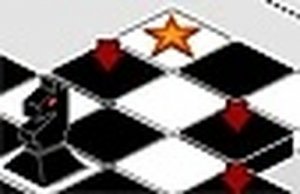
Core Puzzle Mechanic
The central challenge revolves around moving a knight piece using its characteristic L-shaped pattern. Each board offers a fresh arrangement of obstacles and open spaces, demanding players map out a sequence of moves that lands the knight on a designated goal. Success relies on visualizing the board from multiple angles and anticipating how each step alters the available options. The mechanic stays true to traditional chess rules, making it familiar to those with prior knowledge while remaining accessible to newcomers through gradual introduction.
Level Design Philosophy
Boards are crafted to encourage incremental skill building. Early puzzles feature small grids with straightforward paths, allowing players to internalize the knight's movement without pressure. Later stages introduce larger boards, blocked squares, and tighter move limits, requiring deeper analysis. The difficulty curve ensures that each new puzzle feels like a natural progression rather than a sudden jump. Players must adapt their approach as layouts become more intricate, fostering a sense of accomplishment with each solved configuration.
Visual and Interaction Design
The interface keeps distractions to a minimum, with a clean board display and clear indicators for the knight's position and the target zone. Controls are responsive, letting players tap or click to select and move the piece. A subtle color scheme helps differentiate board elements without causing eye strain during extended play sessions. The overall aesthetic supports focused problem-solving, avoiding unnecessary animations or clutter that might detract from the logical task at hand.
Support Systems for Players
For those who encounter particularly tough puzzles, an optional hint system offers gentle guidance without giving away the full solution. Hints might highlight a promising direction or suggest a move that reduces the remaining distance to the goal. Using hints sparingly can help players learn efficient strategies while still preserving the satisfaction of independent discovery. The game encourages patience and methodical thinking, rewarding those who take time to study each layout before committing to a move.
Family-Friendly Accessibility
The content is designed to be enjoyed by children and adults alike, with no time pressure or competitive elements that might cause frustration. Younger players can develop spatial reasoning and planning skills, while older players find engaging mental exercise. The straightforward rules mean that anyone can pick up the game and start solving puzzles within minutes. This makes it a suitable choice for family game sessions or quiet solo play that stimulates the mind without requiring prior gaming experience.




Comments
0 comments