Core Gameplay Loop
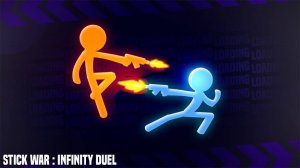
In Stickman Showdown: Reflex Battle, each match begins with two stick figures positioned on a shared field. The primary objective is to collect items that appear at regular intervals. These items grant the ability to strike at the opponent. The challenge lies in the dynamic environment: the platforms beneath the characters move and shift during the action. Players must maintain their balance while watching for item drops and timing their attacks. Rounds are brief, often lasting only a minute or two, which keeps the pace high and encourages repeated attempts.
Platform Dynamics
The moving tracks are a central feature of the game. They change position unpredictably, requiring players to constantly adjust their stance. Losing balance can result in falling off the platform, which ends the round. This mechanic adds a layer of strategy beyond simple item collection. Players must decide whether to prioritize staying centered or moving toward a valuable item that appears at the edge. The shifting surfaces ensure that no two rounds feel exactly the same, as the layout and timing of movements vary each time.
Multiplayer Options
Stickman Showdown: Reflex Battle supports both online multiplayer and a local two-player mode. In the local mode, two players share the same screen, competing directly against each other. This setup works well for casual play with friends or family. The online mode connects players from around the world, offering matchmaking for those seeking a broader challenge. Both modes use the same core mechanics, so skills developed in one transfer to the other. The game does not require a persistent internet connection for local play, making it accessible in various settings.
Visual Style and Accessibility
The game uses a clean, colorful art style with simple stick figure characters. This visual approach keeps the action clear and easy to follow, even during fast-paced moments. The interface is minimal, with on-screen prompts that guide new players. Controls are intuitive, relying on mouse clicks or touch inputs for aiming and striking. There are no complex menus or lengthy tutorials, so players can start a match within seconds. This design makes the game suitable for a wide age range, from younger players to adults looking for a quick mental break.
Progression and Replay Value
While each round is short, the game encourages replay through its escalating difficulty. As players win matches, the speed of item drops and platform movements may increase. This gradual ramp-up tests reflexes and decision-making under pressure. There is no story mode or character progression; the focus remains on moment-to-moment gameplay. The variety introduced by the moving platforms and item placement ensures that players cannot rely on memorized patterns. Instead, they must react to the current state of the field, which keeps the experience fresh over many sessions.
Comments
0 comments