Core Gameplay Loop
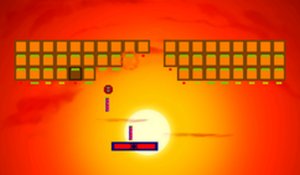
At its heart, this title asks players to clear a board of tiles by directing a ball with a paddle. Each tile requires a certain number of hits to break, and the ball's trajectory changes based on where it strikes. This creates a dynamic puzzle where each shot matters. The challenge lies in predicting the ball's path and positioning the paddle accordingly. Missing the ball means losing a turn, so maintaining control is essential. The game rewards both accuracy and foresight, making each round a test of coordination and planning.
Tile Variety and Surprises
Not all tiles are created equal. Some tiles move around the board, requiring players to adjust their aim on the fly. Others trigger special effects when hit, such as revealing hidden points or temporarily altering the ball's speed. These variations prevent the gameplay from becoming repetitive. Players must learn to identify and prioritize these special tiles to maximize their score and clear the board efficiently. This layer of strategy adds depth to what might otherwise be a simple arcade experience.
Power-Ups and Special Actions
Throughout a round, players may encounter power-ups that enhance the paddle or ball. For example, a laser attachment can fire at tiles directly, while a spider mode allows the paddle to move more freely. Ball-focused actions like slow motion or temporary invincibility help during tricky moments. Knowing when to activate these abilities is key to overcoming tougher tile arrangements. The game provides designated keys for each action, making them easy to use without disrupting the flow. Experimenting with different combinations keeps the experience engaging.
Visual Style and Accessibility
The game uses bright, cheerful colors and smooth animations to create a welcoming atmosphere. Tiles are clearly distinct from one another, and the paddle is easy to spot against the background. This visual clarity helps players focus on the action without strain. The controls are straightforward, with options to adjust paddle speed for either quick reflexes or careful positioning. A pause menu and info board offer tips and allow players to take breaks when needed. This design ensures that both children and adults can enjoy the game without frustration.
Progression and Scoring
Players earn points for each tile they clear, with bonus points for chaining hits or using power-ups effectively. The game may track high scores and offer achievements for reaching specific milestones. This system encourages replayability, as players strive to improve their performance on each board. While the core objective remains the same, the variety in tile layouts and power-up availability means no two rounds feel identical. The scoring system is transparent, allowing players to see exactly how their actions affect their final tally.









Comments
0 comments