
Momentum as a Resource
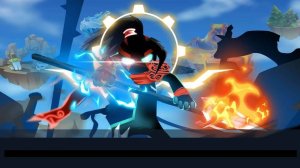
Luminous Charge Runner treats speed as more than a stylistic choice. The character moves quickly through stages, and the controls are built for rapid directional changes and dashes. Every stop or hit chips away at the energy gauge that powers the game's central transformation, so the real challenge is stringing together clean movement rather than simply reaching the end of a stage. [IMG_1]
The Charge and Transformation Loop
The core loop is straightforward but demanding: perform actions without taking damage to fill a special meter. When that meter maxes out, the character shifts into a stronger state that grants increased speed and power for a limited time. Managing when to trigger and how to sustain that state separates a completed run from a high-scoring one, especially in tougher sections where the margin for error shrinks. [IMG_2]
Movement and Combat Flow
Combat is woven into movement rather than separated from it. Certain actions can be canceled into others, allowing smooth transitions between dashing, jumping, and striking. This design rewards creative sequences over repetitive button mashing. Platforms and enemies often demand precise timing, so players are constantly reading the environment while keeping their momentum alive. [IMG_3]
Visual Readability at Speed
The neon-infused palette uses glowing effects to highlight the character and hazards. A clean, readable art style keeps fast-moving action clear, while geometric backgrounds and light trails reinforce the sense of speed without obscuring what matters on screen.
Controls and Customization
Players can use either a keyboard or a gamepad, with full support for remapping buttons. The controls are tuned for tight, responsive input with minimal lag, letting players fine-tune their layout for high-speed sequences.




Comments
0 comments