Core Sorting Mechanics
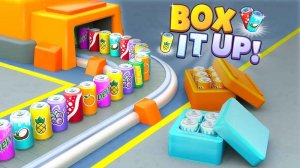
At the heart of this experience lies a straightforward objective: place each item into its correct position based on the factory's current instructions. Early stages ask players to match colors, while later levels incorporate shape, sequence, and order. The challenge comes from the need to think quickly as new items appear on the conveyor belt. Mistakes can cause delays, so accuracy matters as much as speed. This core loop of observe, decide, and act creates a satisfying rhythm that rewards focused attention.
Level Progression & Variety
The game gradually introduces new rules as players advance. One level might require sorting by color groups, while the next asks for a specific stacking order. This variety prevents repetition and keeps the brain engaged. Each stage feels distinct because the pattern changes, forcing players to adapt their strategy. The difficulty curve is gentle at first, giving newcomers time to learn the basics, then steadily increases to challenge experienced players. There is no penalty for replaying earlier stages, allowing practice on specific patterns.
Visual Style & Atmosphere
The factory setting is brought to life with bright, cheerful colors and smooth animations. Items on the conveyor belt move at a steady pace, and the background features friendly machinery that adds to the theme without being distracting. The overall look is clean and uncluttered, making it easy to focus on the task. Sound effects provide gentle feedback for correct placements, while a light background track maintains a pleasant working environment. This visual and audio design supports the casual nature of the game, making it suitable for short play sessions.
Accessibility & Control Design
Controls are limited to simple point-and-click or tap actions, which makes the game playable on both computers and mobile devices. There are no complex menus or tutorials to wade through. Players can jump directly into the first level and learn by doing. The interface clearly shows the current pattern requirement, so instructions are always visible. This minimalist approach ensures that players of all ages and skill levels can participate without frustration. The game also supports quick sessions, as each level can be completed in a few minutes.
Scoring & Motivation
A scoring system tracks performance across levels, rewarding accuracy and speed. Higher scores are achieved by completing stages with fewer mistakes and faster times. This encourages players to revisit earlier levels to improve their results. The score serves as a personal benchmark rather than a competitive leaderboard, which keeps the experience positive and stress-free. The sense of accomplishment from achieving a perfect run on a challenging level provides strong motivation to keep playing. This focus on self-improvement aligns well with the casual puzzle genre.










Comments
0 comments